

 中文简体
中文简体 Español
 русский
 Deutsch
 Français
Basic Properties of Nonwoven Wipes
As a polymer material product, Nonwoven Wipes' basic properties determine their advantages in the cleaning process:
1.High Absorbency
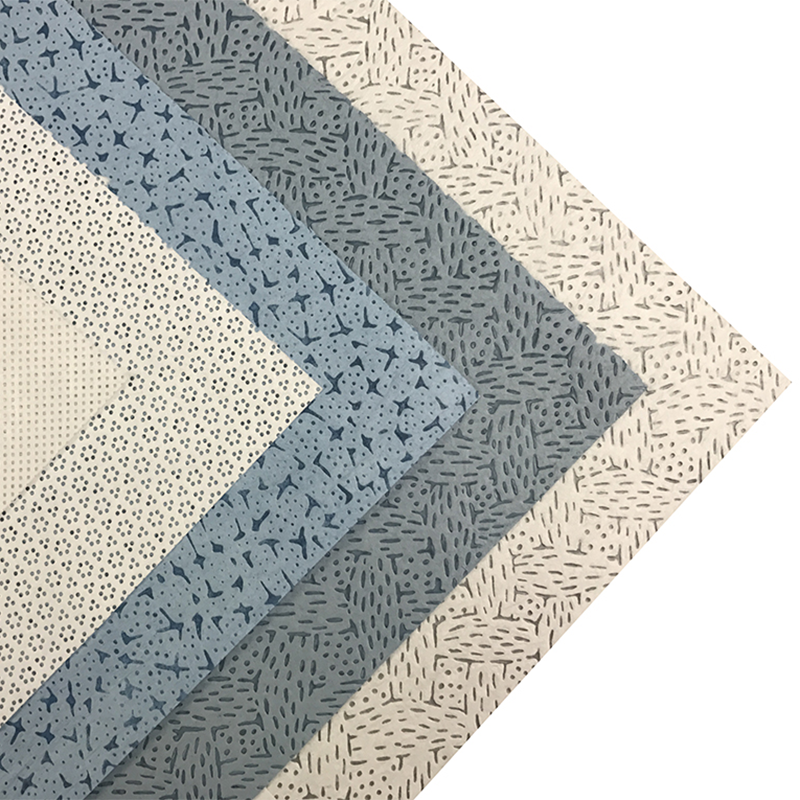
Fiber Structure: The three-dimensional fiber network structure formed through hydroentangling or needle punching processes greatly increases the surface area.
Capillary Action: The gaps between the fine fibers create capillary action, allowing liquids to penetrate quickly and be stored in the fiber gaps.
2.Durability and Flexibility
Tear Resistance: Nonwoven fabrics have high fiber bonding strength and are not easily torn during use.
Softness: The high density of interwoven fibers results in a soft touch and will not scratch surfaces.
2.Dust-Free and Lint-Free
Cleanliness: High-quality nonwoven wipes do not produce lint during use, making them particularly suitable for environments requiring high cleanliness (such as cleanrooms).
Single Use
Hygienic and Safe: Designed for single use, they are discarded after use, avoiding cross-contamination and ensuring hygiene and safety.
How is the absorbency of Nonwoven Wipes?
1.Absorbency of Nonwoven Wipes
Absorbency is a core indicator of Nonwoven Wipes, directly affecting their cleaning effectiveness:
2.Liquid Transfer Efficiency
Rapid Absorption: Nonwoven wipes can absorb a large amount of liquid in a very short time, using capillary action to quickly remove liquid from the surface.
Solvent Adaptability: Suitable not only for water-based liquids but also, through special treatment (such as hydrophobic treatment), for the absorption of oily liquids.
3.Moisture Retention and Water Locking
Long-lasting Wetness: After absorbing liquid, the liquid is locked in the fiber structure, preventing evaporation and maintaining the wetness of the wipe, improving wiping efficiency.
Prevents Drying and Cracking: Good moisture retention prevents the wipe from hardening due to drying during use, maintaining its softness.
4.Liquid Conductivity
Even Diffusion: The liquid diffuses evenly between the fibers, preventing dripping or streaking caused by localized over-wetting.
Minimizing Residue: The liquid between the fibers is tightly locked in, reducing the possibility of secondary contamination.
Content